News2 min read
Stories, mime and make-believe: how dance feeds imagination
Imagination is not an add-on at Grace Dance. Stories, mime and themes run from our youngest preschoolers through to senior classes.
Children do not only learn steps in our studio. They become raindrops, explorers, sleepy cats and brave heroes. Imagination is the bridge that turns technique into expression. At Grace Dance we weave stories, mime and themes through classes from preschool onwards, because a child who can picture the dance will often dance it better and enjoy it more.
Preschool: where stories lead the way
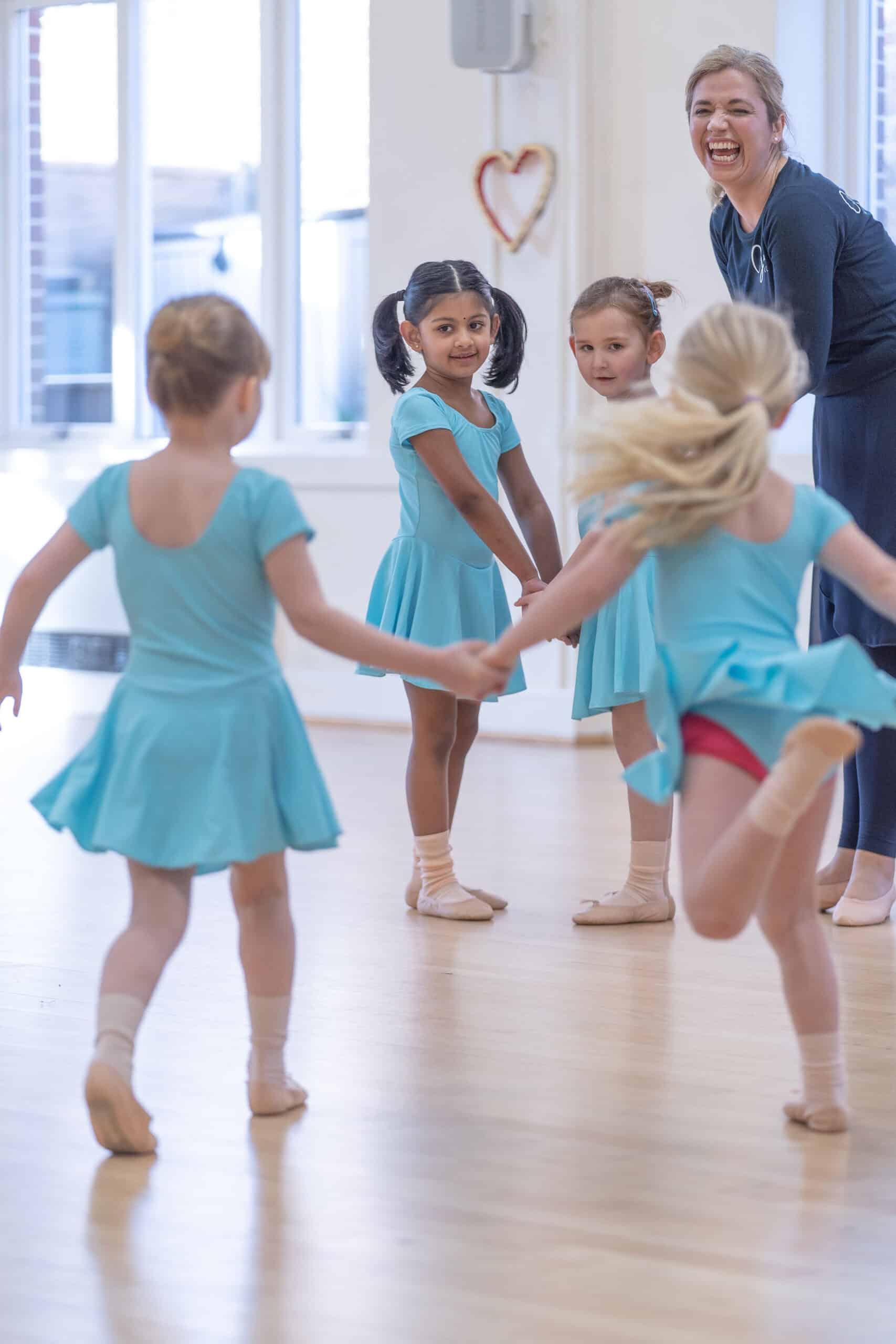
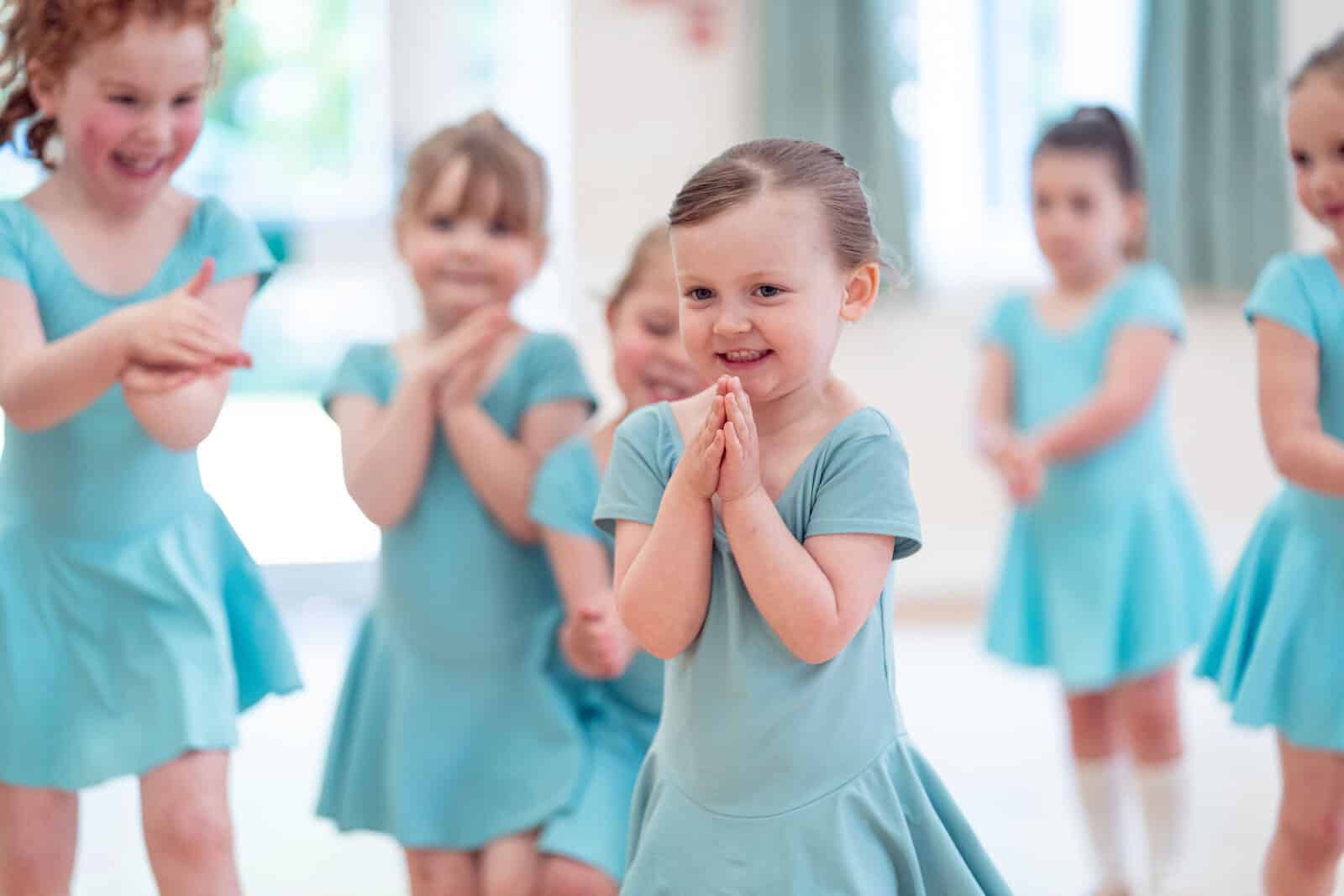
Our preschool classes (ages 3 to 4) are built around seasonal stories and music. A theme gives little ones a reason to stretch tall, tip-toe quietly or gallop with energy. They practise early ballet ideas without feeling drilled. Mime moments (opening a magic door, stirring a pot, listening for footsteps) sharpen observation and facial expression while keeping the room playful.
Juniors: characters with clearer technique
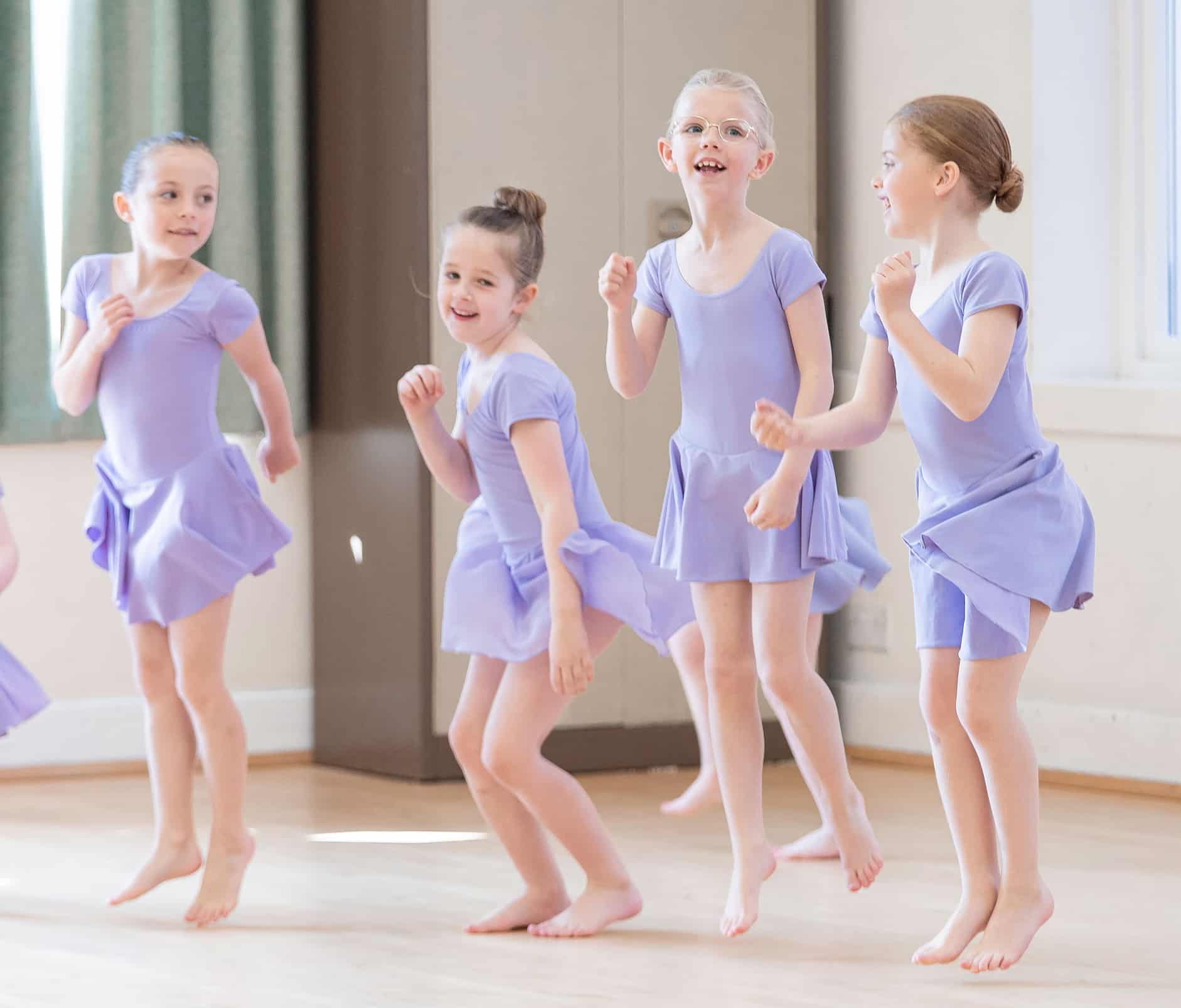
As children move into Reception and primary years, imagination stays, but the structure grows. A combination might still have a narrative flavour, yet we ask for cleaner lines, clearer rhythm and stronger memory. Mime and characterisation help shy dancers find a way in: focusing on the story can feel safer than focusing on themselves.
Seniors: expression with intention
Older dancers use imagination differently. They shape dynamics, intention and musical phrasing. Contemporary and theatre styles ask them to make choices: soft or sharp, near or far, playful or serious. That creative decision-making is still imagination, just wearing more sophisticated clothes.
- Story themes that make movement memorable for young children
- Mime skills that build observation, timing and expression
- Musical pictures that link feeling to dynamics
- Creative tasks that invite dancers to contribute ideas as they grow
Why imagination is practical
An imaginative dancer remembers choreography more easily, performs with presence and adapts when something changes on stage. Off stage, that same flexibility supports problem-solving and empathy. We are not chasing perfect pixie dust. We are giving children tools to think in pictures and move with meaning.
If your child lights up around stories and music, a Grace Dance taster is a lovely next step. Preschool places are often in demand, so do get in touch early if that is the age you are looking at.