News2 min read
More than steps: how dance quietly trains young minds
Every class asks children to think as well as move. From musical listening to remembering phrases, dance is rich brain-and-body learning in disguise.
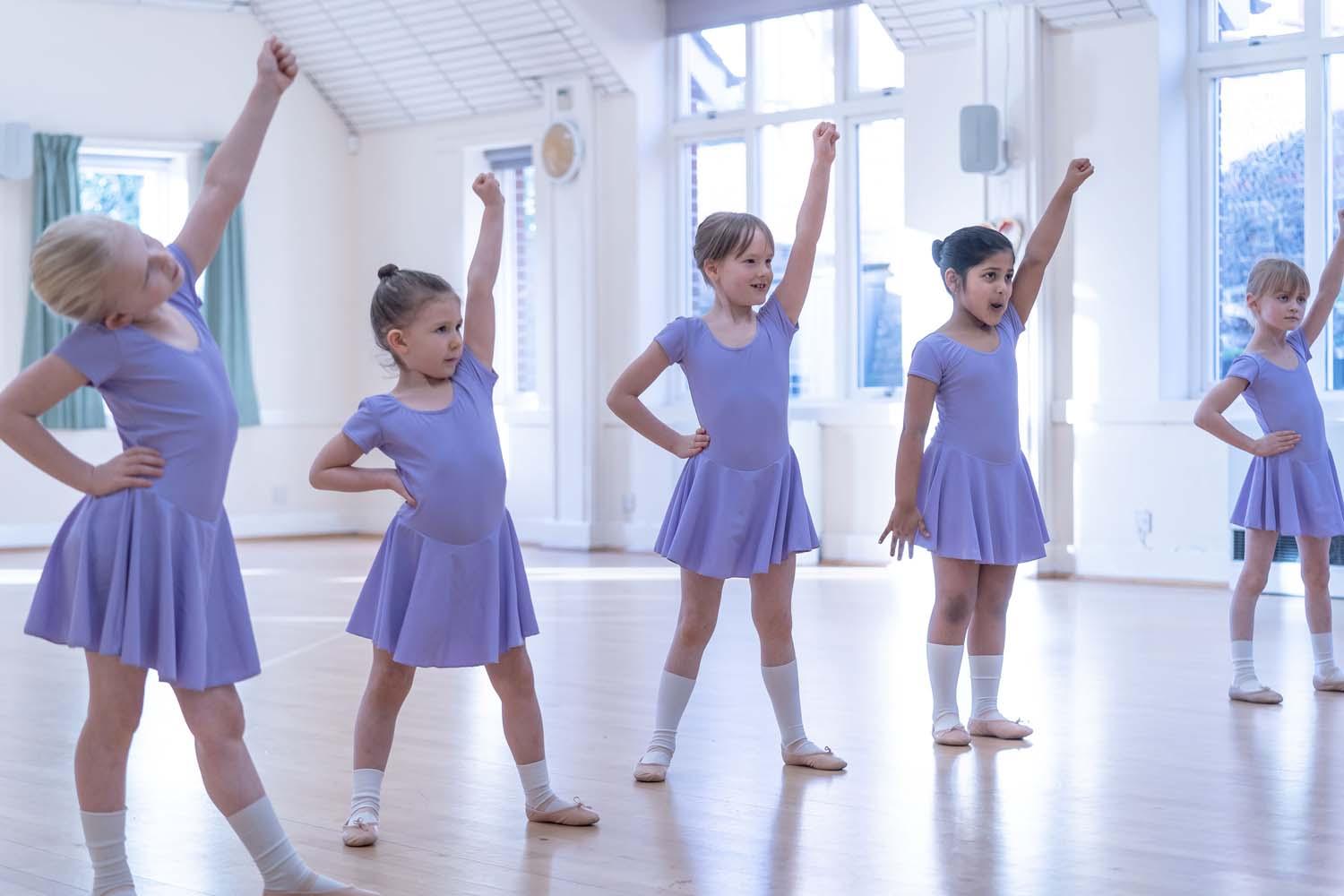
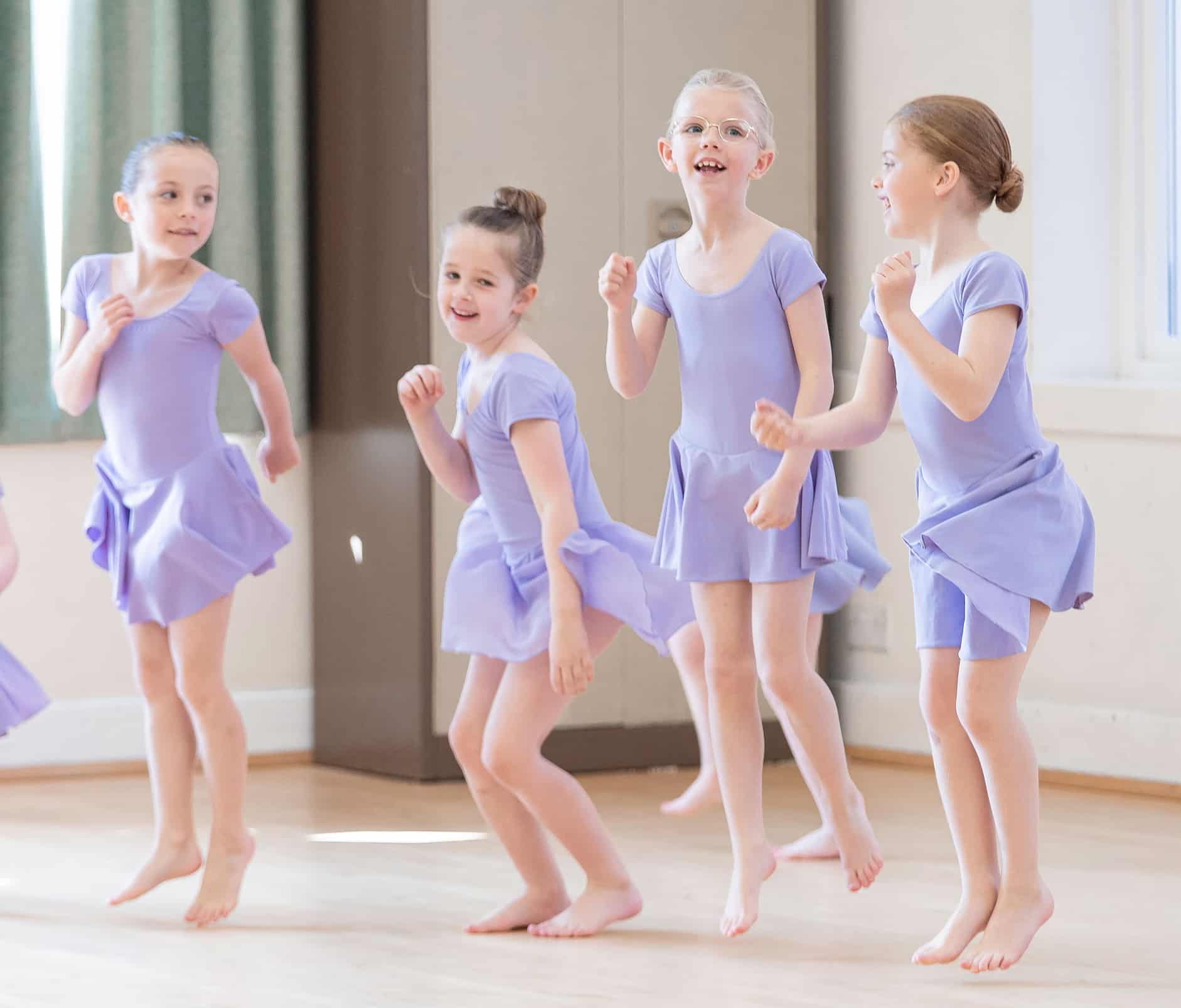
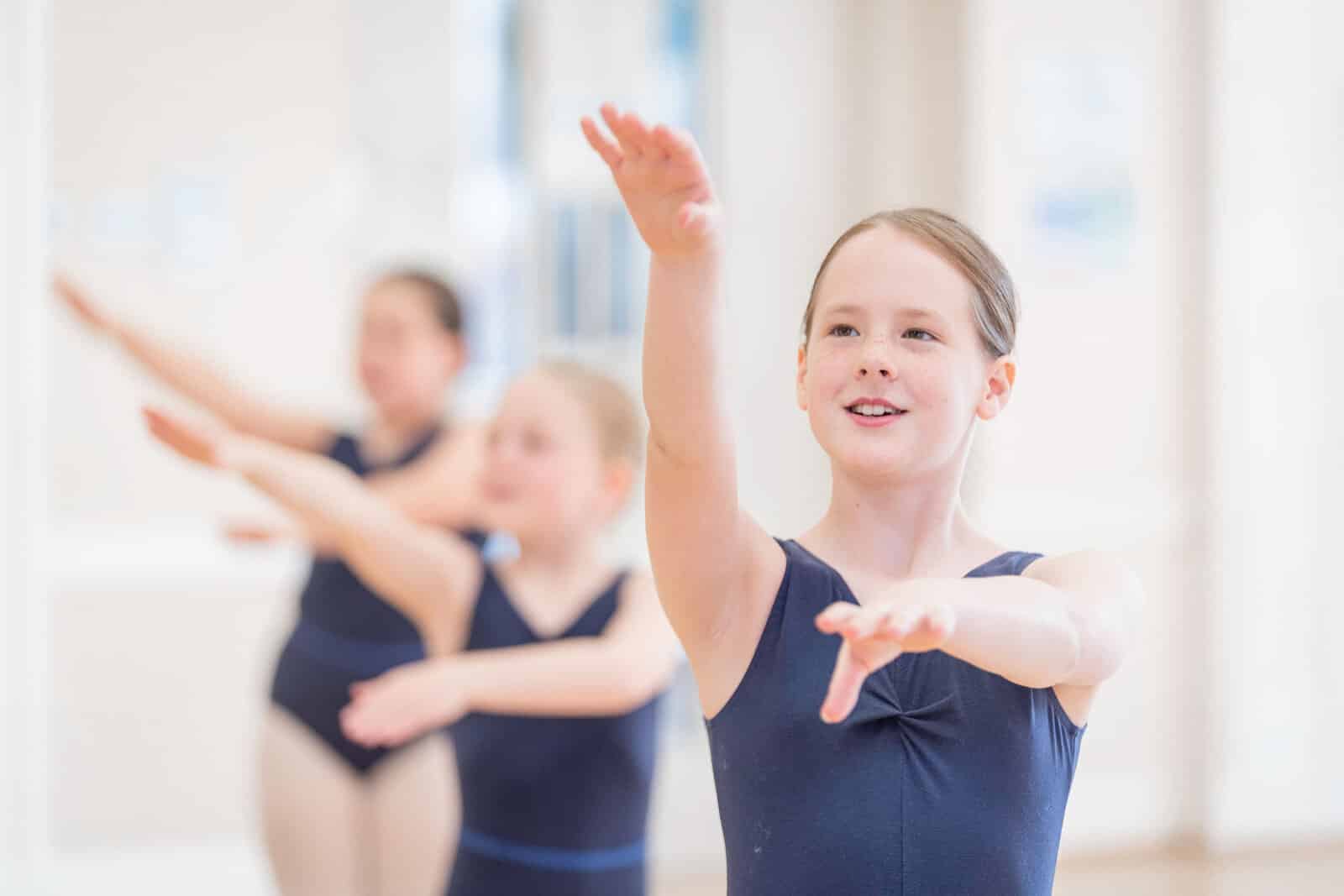
From the outside, a children's dance class can look like music, costumes and cute steps. Inside the room something more interesting is happening. Children are linking brain and body, stretching their vocabulary, tuning into music and solving small problems every few minutes. At Grace Dance we treat that mental work as part of good teaching, not a bonus.
Brain and body working together
Dance asks a child to hear an instruction, picture the movement, organise their limbs and adjust when the music changes. That loop strengthens coordination and concentration. It is practical intelligence: using what you know in real time, with other people, under a gentle bit of pressure.
Language, musicality and problem-solving
We name body parts, directions and qualities of movement. Younger dancers meet story words and descriptive language. Older dancers learn to count phrases, feel accents and notice when a sequence needs fixing. When something does not work, we ask them to try another way rather than simply copying again. That habit of thoughtful practice travels well beyond the studio.
- Listening carefully and following multi-step instructions
- Building dance vocabulary that supports clear thinking
- Developing musical awareness: pulse, phrasing and dynamics
- Practising persistence when a combination needs another go
What parents often notice
Parents tell us children start remembering longer sequences, settle to tasks more readily and talk about music with more detail. We do not claim dance replaces school learning. We do see it support the same muscles of attention and curiosity that help children thrive in the classroom.
Curious how this looks for your child's age? Book a taster at Grace Dance and watch the thinking unfold alongside the dancing.