News2 min read
Strong foundations: dance and children's motor skills
From galloping across the room to pointing a toe, dance quietly trains gross and fine motor skills that support sport, school and everyday confidence.
Motor skills are the building blocks of how children move through the world. Dance is one of the most enjoyable ways to strengthen them. In every Grace Dance class, children practise large travelling actions and finer, more precise control, usually without realising they are doing foundational physical work.
Gross motor skills: the big movements
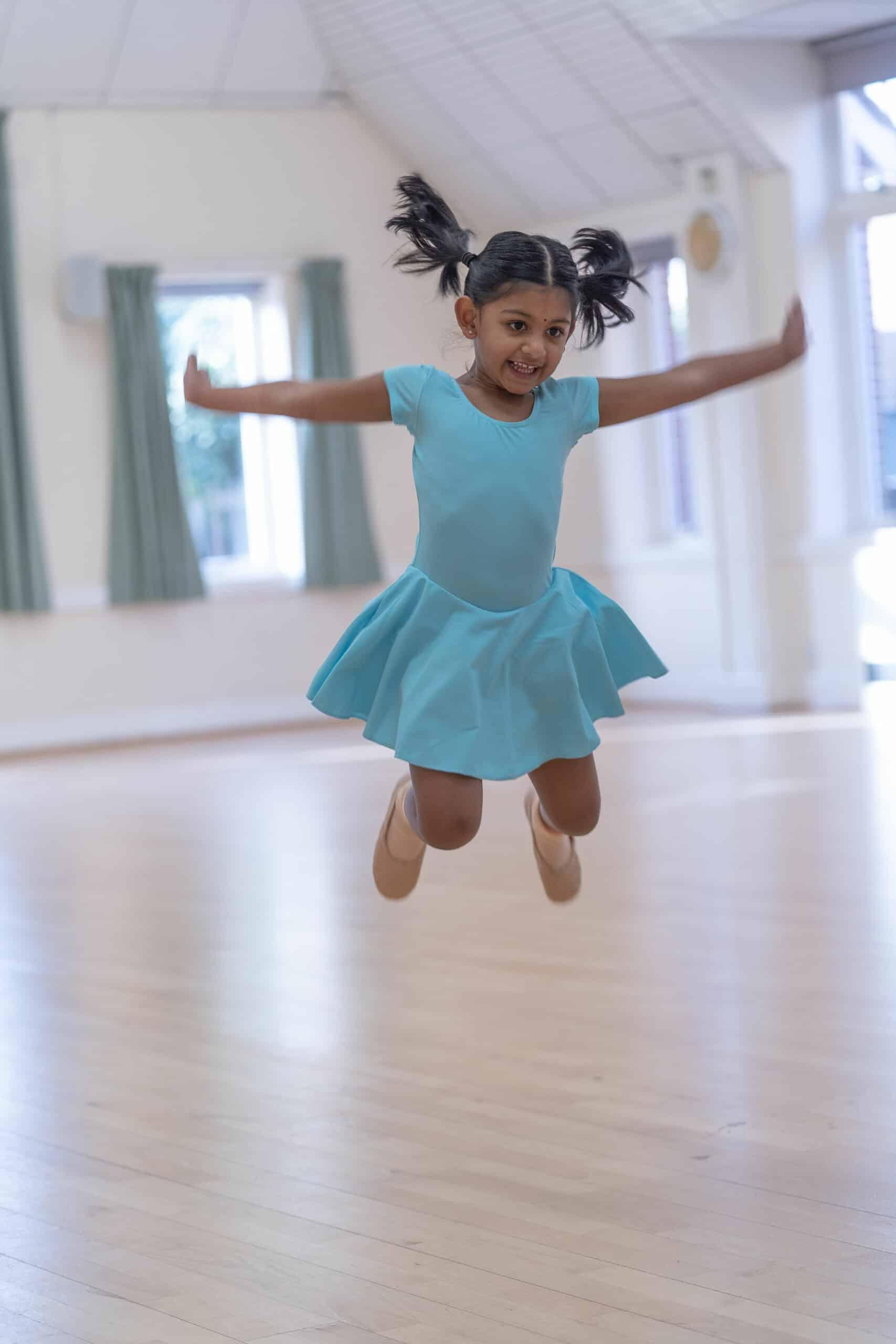
Jumps, skips, balances and changes of direction build strength, spatial awareness and confidence in the body. Younger dancers learn to organise arms and legs together. Older dancers refine alignment so those same skills become technique.
Fine motor control and body awareness
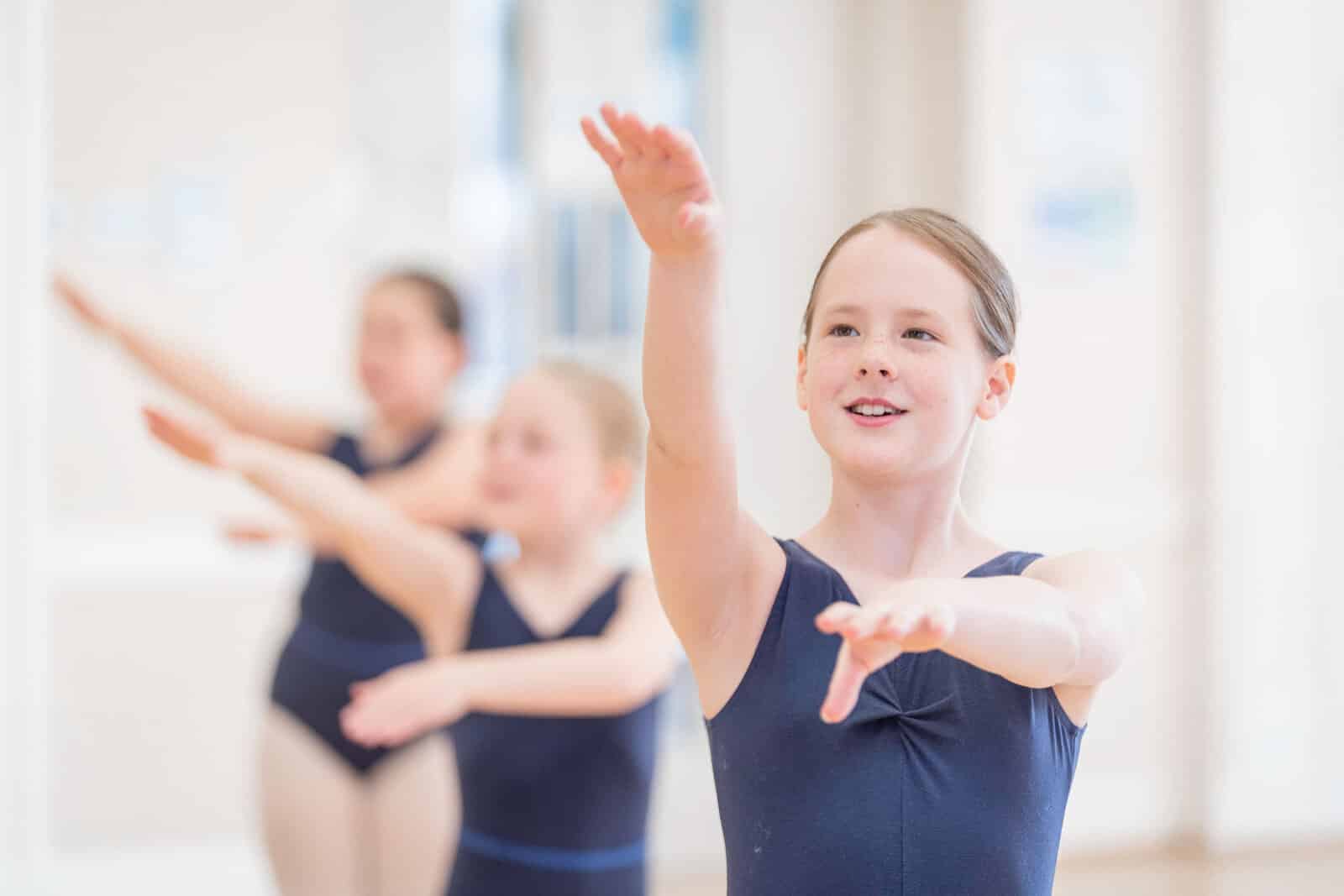
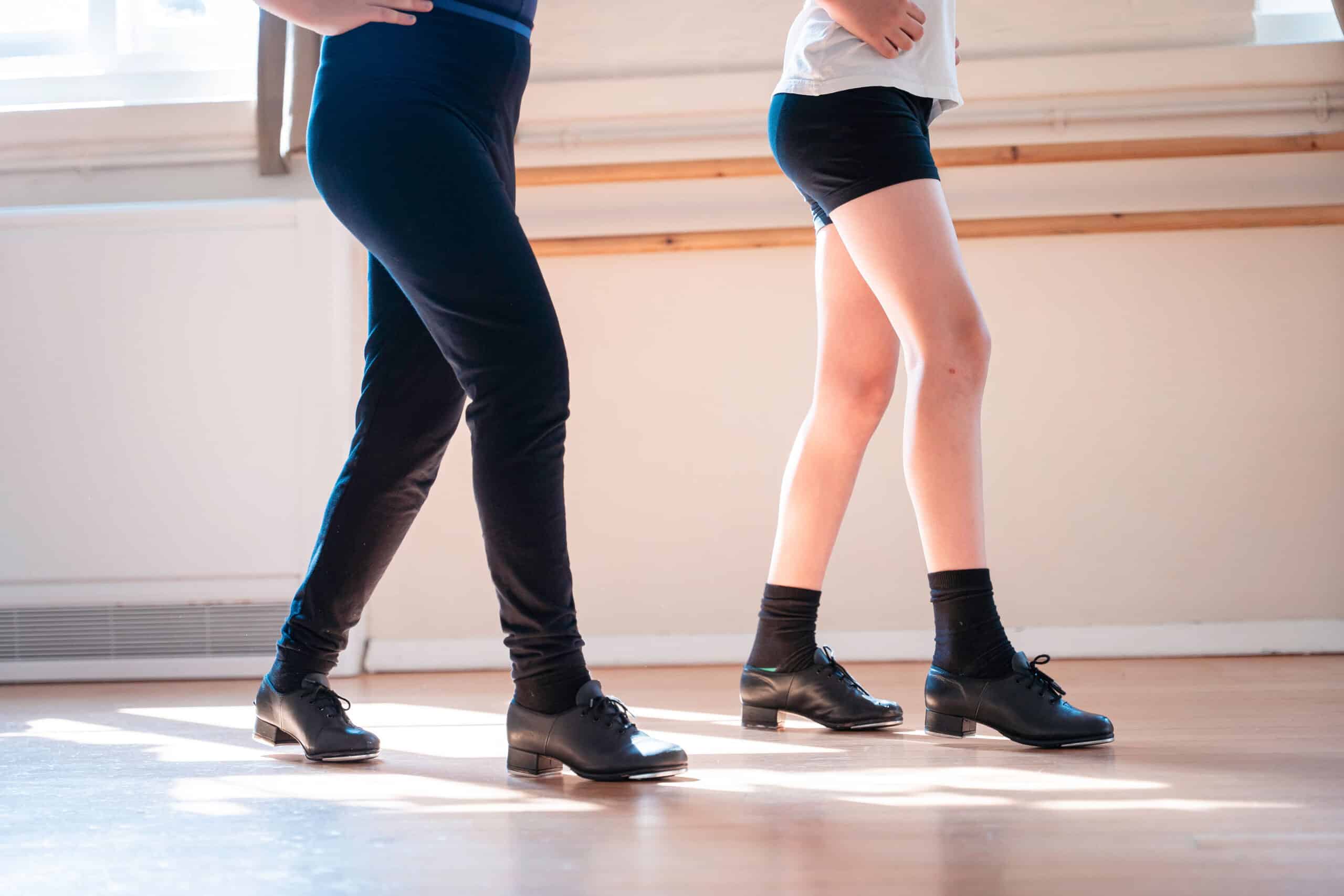
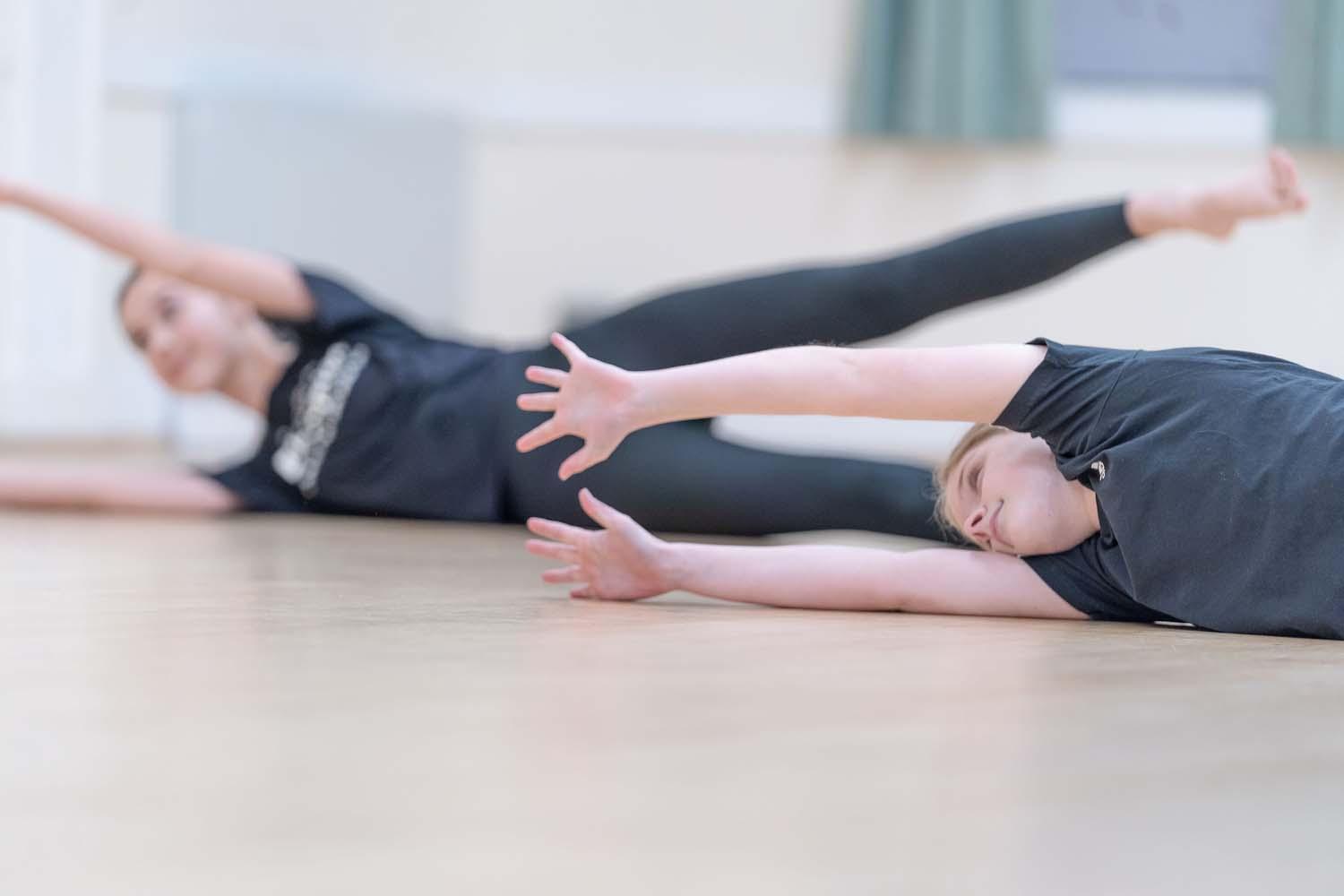
Pointing feet, shaping hands and holding a still position ask for finer control. Children also develop proprioception: knowing where their body is without looking. That awareness helps in PE, handwriting posture and navigating busy playgrounds.
- Balance and stability through still and moving work
- Coordination of upper and lower body
- Strength for posture and controlled landings
- Body awareness that supports safer, more confident movement
Why foundations matter early
Strong early patterns make later technique easier and reduce frustration. We progress challenges gradually so children feel successful often enough to keep trying. Motor learning thrives on repetition with variety: the same skill in a new game or musical setting.
If you want classes that build real physical foundations with warmth and clarity, book a taster at Grace Dance in Worthing.